In many Greek families, recipes rarely live on a piece of paper. They live in memory, passed from one generation to the next through everyday cooking and family meals.
A grandmother might prepare a dish without measuring, while children learn by watching, helping and eventually taking over parts of the cooking themselves.
Greek cooking traditions have survived generations because food has always been about more than eating. It is a way of preserving family history, bringing people together and keeping a connection to where you come from.
Greek Food Begins With Family
For many Greek families, cooking starts at home. Meals bring generations together around the same table, while recipes and techniques pass naturally between parents, grandparents and children.
Some of these traditions include:
- Preparing food together for family gatherings
- Sharing recipes between generations
- Using seasonal and locally available ingredients
- Cooking large meals for extended family
- Making dishes by hand
- Gathering around the table for long, shared meals
These traditions don’t always need to be formally taught. Children learn by watching, helping and eventually taking over parts of the cooking themselves.
That is how a family recipe can remain familiar even as generations and locations change.
Recipes Carry Family Memories
A traditional Greek dish can tell a story about the people who prepared it. A particular recipe might remind someone of their grandmother’s kitchen, summer holidays in Greece or Sunday lunches surrounded by cousins and relatives.
The ingredients matter, but so does everything around them. The sounds of conversation, the smell of food cooking and the anticipation of everyone waiting for the meal become part of the memory.
For many Greek families, food can preserve memories through:
- Family recipes
- Traditional cooking methods
- Special occasion meals
- Stories shared around the table
- Ingredients associated with home and family
These memories become part of the recipe itself.
Cooking Without Strict Measurements
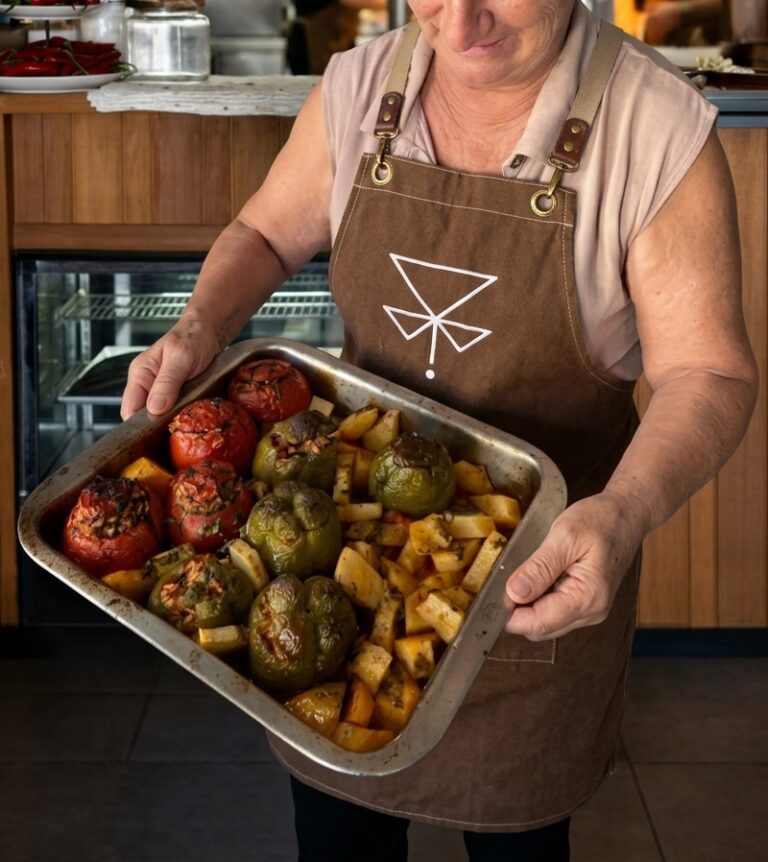
One of the most recognisable parts of traditional home cooking is the lack of precise measurements. A grandmother might know exactly how much garlic belongs in a dish without ever weighing it.
A pinch of oregano, a little more olive oil or an extra squeeze of lemon can come down to instinct developed over decades.
This kind of cooking relies on observation and experience. You learn by paying attention to:
- How an ingredient smells
- How a sauce looks and feels
- When meat or vegetables are ready
- How flavours balance each other
- How heat changes an ingredient
That knowledge can be difficult to write down, which makes passing it from one generation to another even more important.
The Importance of Fresh Ingredients
Greek cooking traditionally relies on simple ingredients and allows them to speak for themselves. Olive oil, herbs, vegetables, seafood, grains, legumes, meat and dairy can form the foundation of countless dishes.
Seasonality also plays an important role. What grows well, what is available and what the family has prepared can all influence what ends up on the table.
For Greek cooking, fresh ingredients often provide:
- Natural flavour
- Seasonal variety
- Simple preparation
- A connection between the garden and kitchen
- An opportunity to let quality ingredients shine
This connection between the garden, kitchen and table remains an important part of Greek food culture.
Greek Cooking Traditions in Adelaide
Greek food traditions have travelled far beyond Greece, including to Adelaide. Greek families have brought their recipes, cooking techniques and approach to hospitality with them, adapting them to Australian ingredients and seasons along the way.
That has helped create a Greek-Australian dining culture where traditional flavours can sit naturally alongside South Australian produce.
In Adelaide, this connection can be seen through:
- Greek restaurants and tavernas
- Family-owned food businesses
- Greek community celebrations
- Traditional recipes adapted to local ingredients
- Restaurants combining Greek techniques with Australian produce
The result is food that can maintain a strong connection to Greece while also reflecting the place where the next generation lives.
Cooking Over Fire and Charcoal
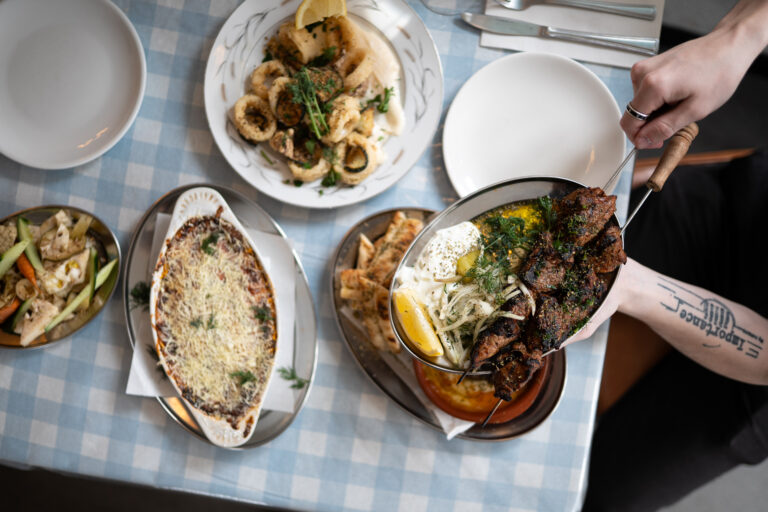
Fire has long played an important role in Greek cooking. Cooking over charcoal brings distinctive flavour and texture to meat, seafood and vegetables, while slow cooking allows traditional dishes to develop depth over time.
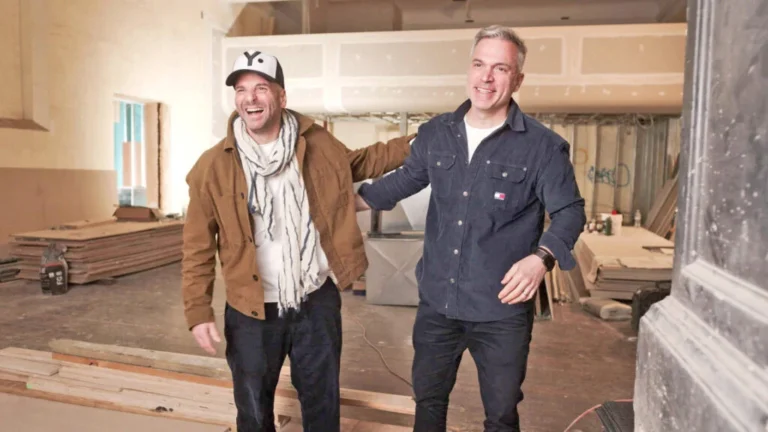
At Vasili’s Table in West Beach, fire remains central to the kitchen. The restaurant uses coals and flames to prepare dishes ranging from char-grilled seafood to slow-roasted meats and vegetables.
The approach includes:
- Char-grilled seafood
- Slow-roasted meats
- Vegetables cooked over fire
- Traditional cooking techniques
- Fresh ingredients shaped by what’s available
The technique may be traditional, but the ingredients and dishes can continue to evolve with the seasons.
From Greece to Adelaide
Food traditions don’t stop when families move countries. They travel with them and gradually become part of a new place.
Greek families who settled in Adelaide and across Australia brought recipes, cooking techniques and traditions from their hometowns. Over time, those traditions naturally adapted to Australian ingredients, seasons and surroundings.
This evolution can be seen in the way Greek-Australian food combines:
| Greek tradition | Australian influence |
| Traditional cooking techniques | Local produce |
| Family recipes | Australian seasons |
| Greek herbs and flavours | South Australian ingredients |
| Shared dining | Adelaide’s relaxed dining culture |
| Taverna hospitality | Local community and family life |
The food can carry a strong connection to Greece while reflecting the place where each new generation grows up.
Billy’s Connection to Greek Cooking
At Vasili’s Table, Greek cooking is closely connected to Billy’s own family history. His Greek heritage comes through family connections to Ikaria and Kalamata, where food and hospitality form an important part of family life.
His understanding of Greek cooking comes from both personal connections to Greek food and his professional experience as a chef.
That background influences the way he approaches food today:
- Traditional Greek flavours
- Time-honoured cooking techniques
- Fresh Australian produce
- Cooking over fire and charcoal
- Food designed to be shared
At Vasili’s Table, these influences come together in a Greek dining experience shaped by both heritage and Adelaide.
A Greek Taverna in West Beach
Location also shapes the experience. West Beach gives Vasili’s Table a relaxed Adelaide setting where Greek food, hospitality and the coastal surroundings come together.
The restaurant brings the spirit of a Greek taverna to Adelaide while allowing the food to respond to its local surroundings.

That balance is important. Greek food doesn’t need to imitate Greece perfectly to feel connected to its traditions.
It can carry the flavours, techniques and hospitality of Greek cooking while becoming part of the place where it is served.
Keeping Traditions Alive Through the Table
One of the simplest ways to preserve a cooking tradition is to keep making the food. A recipe can change slightly, ingredients can vary and a new generation might add its own influence.
The tradition remains alive when people continue to:
- Cook familiar dishes
- Share recipes
- Teach younger generations
- Gather around the table
- Adapt traditional food to local ingredients
That is why Greek food feels so closely connected to hospitality. The meal isn’t simply the final product of a recipe. It is the reason people come together.
Greek Food Is Made to Be Shared
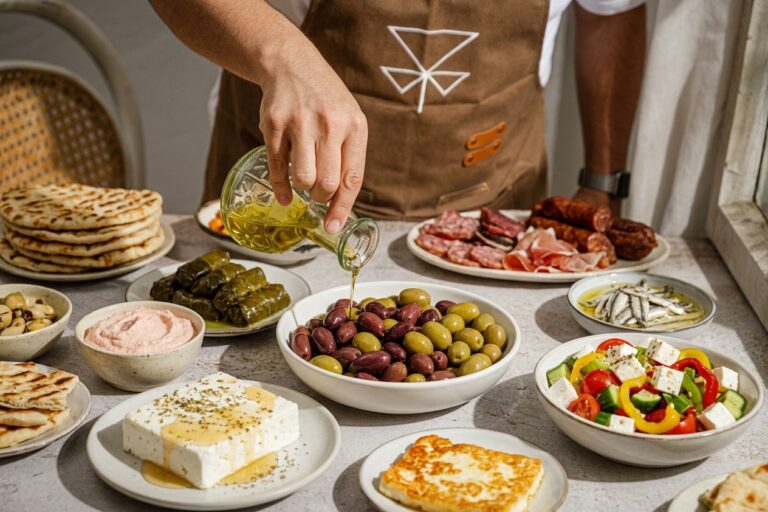
Many Greek dishes naturally lend themselves to communal dining. Instead of each person having an entirely separate meal, plates move around the table and everyone gets to try a little of everything.
This style of dining creates a sense of participation. You pass the bread, someone reaches for the salad and another person serves the last piece of meat.
A shared Greek meal might include:
- Dips and bread in the middle of the table
- Grilled meat or seafood
- Seasonal vegetables
- Cheese and small plates
- Traditional Greek sides
- Something sweet to finish
Conversation continues while everyone shares the food in front of them. It is a simple tradition, but one that can make a meal feel memorable.
Why Greek Dining Still Matters in Adelaide
Modern life moves quickly, but the traditions surrounding Greek food encourage people to slow down. Cooking takes time, sharing a meal takes time and sitting around a table with family and friends takes time.
Greek restaurants in Adelaide provide a place where those traditions can continue outside the home.
They give diners the opportunity to experience:
- Traditional Greek flavours
- Shared dining
- Local South Australian produce
- Greek hospitality
- Cooking shaped by generations of tradition
For a restaurant like Vasili’s Table, the goal isn’t simply to recreate a meal from Greece. It is to carry the spirit of Greek cooking into Adelaide and create a place where people can gather around the table.
Keeping Greek Cooking Traditions Alive
Every generation adds something of its own to the food it inherits. A traditional dish might be prepared slightly differently, a new ingredient might find its way into an old recipe or a family might cook a familiar meal using ingredients from a new home.
That doesn’t mean the tradition has been lost. It means the tradition is still being lived.
At Vasili’s Table in West Beach, Greek heritage, fresh produce, traditional cooking techniques and the simple pleasure of gathering around a table come together in an Adelaide dining experience.
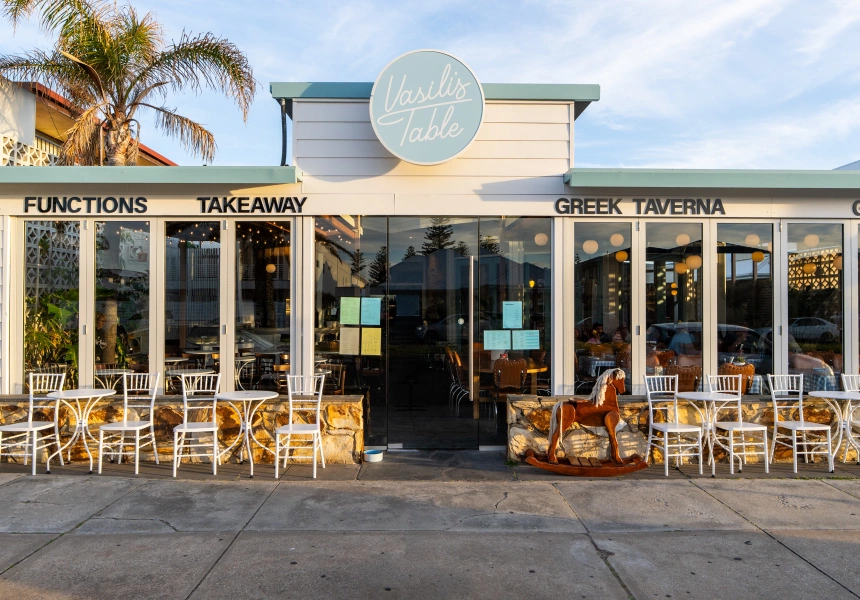
The food draws on generations of Greek cooking while reflecting the place, people and produce of South Australia today.
Because perhaps the best way to preserve a cooking tradition is not to keep it exactly the same.
It is to keep cooking it, keep sharing it and keep inviting the next generation to the table.
Want to experience Greek dining in Adelaide? Reserve a table at Vasili’s Table in West Beach and discover food shaped by Greek tradition, South Australian produce and the people around the table.